Ask the people of knowledge if you do not know
— The Quran, Surah An-Nahl 16:43; Surah Al-Anbiya 21:7
فَسْـَٔلُوٓا أَهْلَ ٱلذِّكْرِ إِن كُنتُمْ لَا تَعْلَمُونَ
Ask the people of knowledge if you do not know
— The Quran, Surah An-Nahl 16:43; Surah Al-Anbiya 21:7
فَسْـَٔلُوٓا أَهْلَ ٱلذِّكْرِ إِن كُنتُمْ لَا تَعْلَمُونَ
Ask the people of knowledge if you do not know
— The Quran, Surah An-Nahl 16:43; Surah Al-Anbiya 21:7
فَسْـَٔلُوٓا أَهْلَ ٱلذِّكْرِ إِن كُنتُمْ لَا تَعْلَمُونَ
We’re here to help.
Ask Your Question
Have a question about Islamic beliefs or modern ideologies? You've come to the right place. This forum is a safe, open space to ask questions, raise objections, and clear up any doubts you may have. Our team is dedicated to providing you with clear, well-reasoned answers that combine logical intellect with authentic Islamic texts. Join the conversation today!
About us
Your Trusted Source for Islamic Knowledge
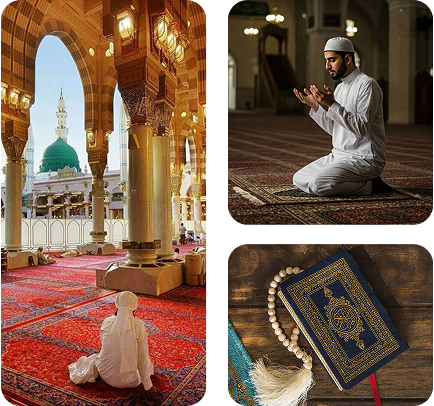
At Assas Edu, we answer your questions about Islam with clarity, authenticity, and respect. From basic inquiries to complex scholarly topics, we provide guidance rooted in the Qur’an and Sunnah making Islamic knowledge accessible to everyone, anywhere in the world.
- Verified through trusted Islamic sources.
- From beginners to advanced learners.
- Learn from anywhere, anytime.
- Encouraging understanding among all.
“Seeking knowledge is an obligation upon every Muslim.”
طَلَبُ الْعِلْمِ فَرِيضَةٌ عَلَى كُلِّ مُسْلِمٍ
Narrated by Anas ibn Malik (RA)
“Seeking knowledge is an obligation upon every Muslim.”
طَلَبُ الْعِلْمِ فَرِيضَةٌ عَلَى كُلِّ مُسْلِمٍ
Narrated by Anas ibn Malik (RA)
“Seeking knowledge is an obligation upon every Muslim.”
طَلَبُ الْعِلْمِ فَرِيضَةٌ عَلَى كُلِّ مُسْلِمٍ
Narrated by Anas ibn Malik (RA)
“Seeking knowledge is an obligation upon every Muslim.”
طَلَبُ الْعِلْمِ فَرِيضَةٌ عَلَى كُلِّ مُسْلِمٍ
Narrated by Anas ibn Malik (RA)
FAQs
Most Asked Questions.
Have a question? At Asssas Edu, we’re here to provide clear and authentic answers about Islam — whether it’s about beliefs, practices, history, or everyday life. Our goal is to help you find trustworthy guidance based on the Qur’an and Sunnah, explained in a simple and respectful way for learners at all levels.
1. What is askassas ?
It is a dedicated discussion forum where you can ask questions and clear your doubts regarding Islamic beliefs (Aqaid) and modern ideologies.
2. What kind of questions can I ask?
You can ask anything related to Islamic theology, comparisons with modern philosophies, or bring forward personal intellectual objections (Ashkalat).
3. How do you answer the questions?
We strive to provide satisfying answers backed by both authentic Islamic texts (Qawli/Naqli) and strong logical reasoning (Aqli).
4. Who answers the questions?
Your questions are answered by our dedicated team of researchers knowledgeable in Islamic studies and comparative ideologies.
5. Is the forum free to use?
Yes, joining the forum and asking questions is completely free.
6. Is my privacy respected?
Absolutely. We understand these topics can be sensitive, so you are welcome to ask questions comfortably using a username of your choice.
7. Are debates allowed?
We highly encourage asking questions and raising doubts to seek clarity. However, all discussions must remain respectful and academic.
Contact Us